
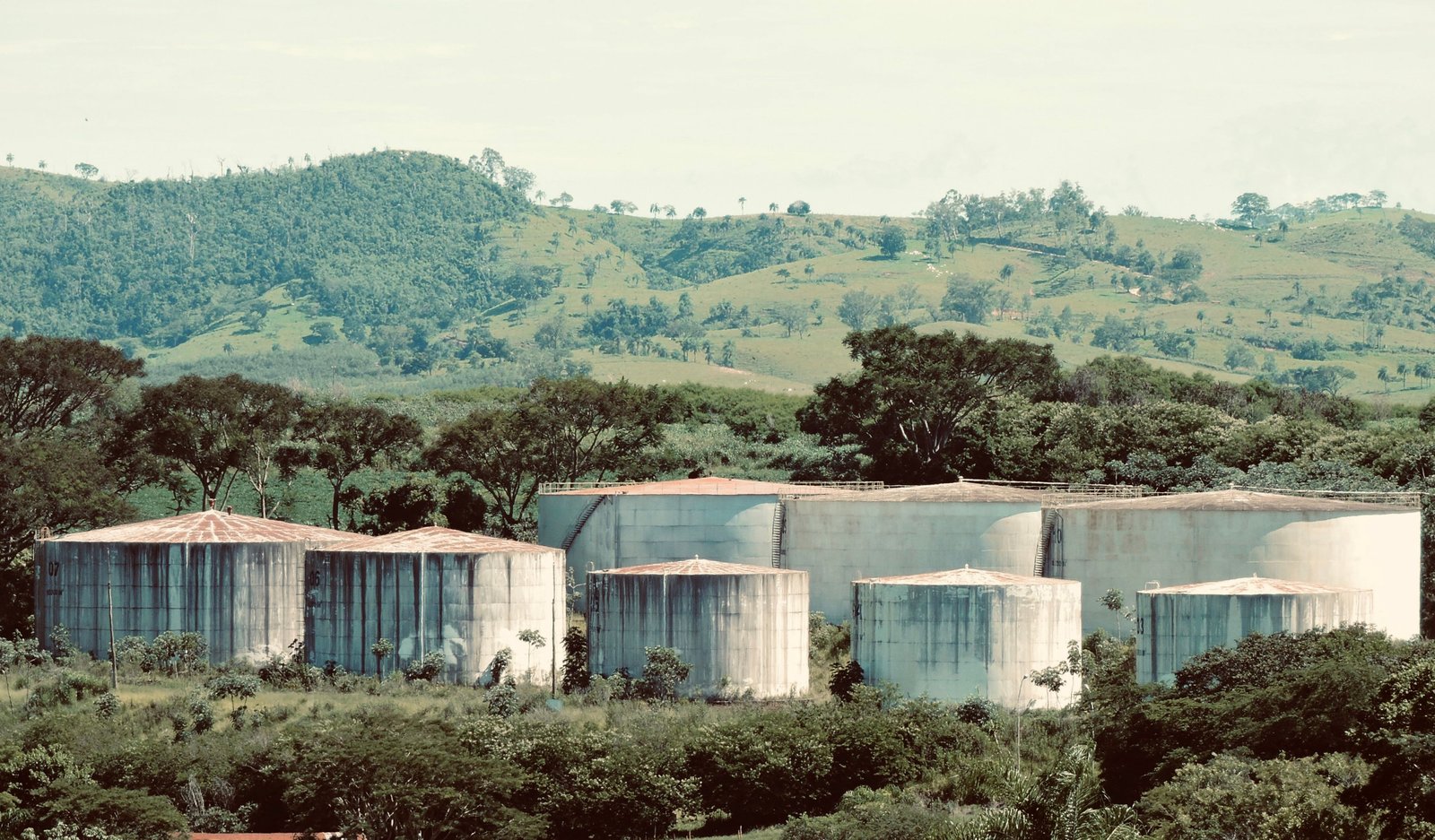
Top Benefits of Installing a Biogas Tank at Home & Farm
As the demand for clean and renewable energy grows, Biogas Tanks have become one of the most practical and eco-friendly solutions for managing organic waste. Instead of throwing away kitchen scraps, animal waste, or agricultural residue, a biogas system converts this waste into useful fuel and organic fertilizer.
Whether you own a house, dairy farm, poultry farm, restaurant, or agricultural land, a biogas tank can help reduce waste while lowering energy costs.
🌱 What is a Biogas Tank?
A Biogas Tank is a specially designed system that converts biodegradable waste into biogas through a natural process called anaerobic digestion.
The gas produced mainly contains methane, which can be used for:
- Cooking
- Water heating
- Electricity generation (with suitable equipment)
- Small industrial applications
The leftover slurry is rich in nutrients and can be used as an organic fertilizer.
⚙️ How Does a Biogas Tank Work?
The working process is simple:
- Organic waste such as kitchen waste, vegetable peels, food leftovers, cow dung, or farm waste is added to the tank.
- The tank is sealed to create an oxygen-free environment.
- Naturally occurring bacteria break down the waste.
- Methane-rich biogas is produced and stored.
- The remaining slurry is collected and used as organic manure.
This process is safe, natural, and environmentally friendly.
🌟 Benefits of Installing a Biogas Tank
💰 1. Reduces Cooking Fuel Costs
Biogas can replace LPG or other cooking fuels for daily use, helping households and farms reduce energy expenses over time.
🌍 2. Eco-Friendly Waste Management
Instead of sending organic waste to landfills, a biogas tank converts it into a useful resource, helping reduce environmental pollution.
🌿 3. Produces Organic Fertilizer
The digested slurry is nutrient-rich and can improve soil fertility for gardens, farms, and landscaping.
♻️ 4. Reduces Carbon Emissions
Using biogas as a renewable fuel helps reduce greenhouse gas emissions and supports a cleaner environment.
🏡 5. Suitable for Various Applications
Biogas tanks can be installed in:
- Homes
- Dairy Farms
- Poultry Farms
- Hotels
- Restaurants
- Schools
- Hostels
- Temples
- Agricultural Farms
🔧 6. Low Maintenance
Modern biogas systems are designed for reliable operation and require only routine maintenance and regular feeding with organic waste.
🍽️ What Can Be Used in a Biogas Tank?
Suitable materials include:
- Kitchen Waste
- Vegetable Peels
- Fruit Waste
- Cow Dung
- Animal Waste
- Food Waste
- Agricultural Residue
- Garden Waste
Avoid adding plastic, glass, metal, chemicals, or other non-biodegradable materials.
🏠 Why Choose a Biogas Tank for Your Home?
Installing a biogas tank at home offers multiple long-term advantages:
- Lower fuel bills
- Better waste management
- Eco-friendly lifestyle
- Organic fertilizer for gardening
- Reduced dependence on conventional fuels
It is an ideal solution for families looking to adopt sustainable living practices.
🌾 Why Farmers Prefer Biogas Tanks
Farmers benefit from biogas tanks because they often have a steady supply of biodegradable waste.
Advantages include:
- Effective use of livestock waste
- Lower energy costs
- Improved farm hygiene
- High-quality organic fertilizer
- Sustainable farming practices
🌍 Environmental Benefits
Using a biogas tank contributes to a cleaner environment by:
- Reducing landfill waste
- Lowering greenhouse gas emissions
- Recycling organic waste
- Supporting renewable energy
- Promoting sustainable agriculture
🌟 Conclusion
A Biogas Tank is a smart investment for anyone looking to manage organic waste efficiently while generating clean energy. It helps reduce fuel costs, supports sustainable farming, and provides valuable organic fertilizer.
Whether you’re a homeowner or a farmer, installing a biogas tank is a practical step toward a greener and more sustainable future.