
Shubh Aangan

Soil & Gardening

how to choose the right soil for healthy plants

How to Choose the Right Soil for Healthy Plants

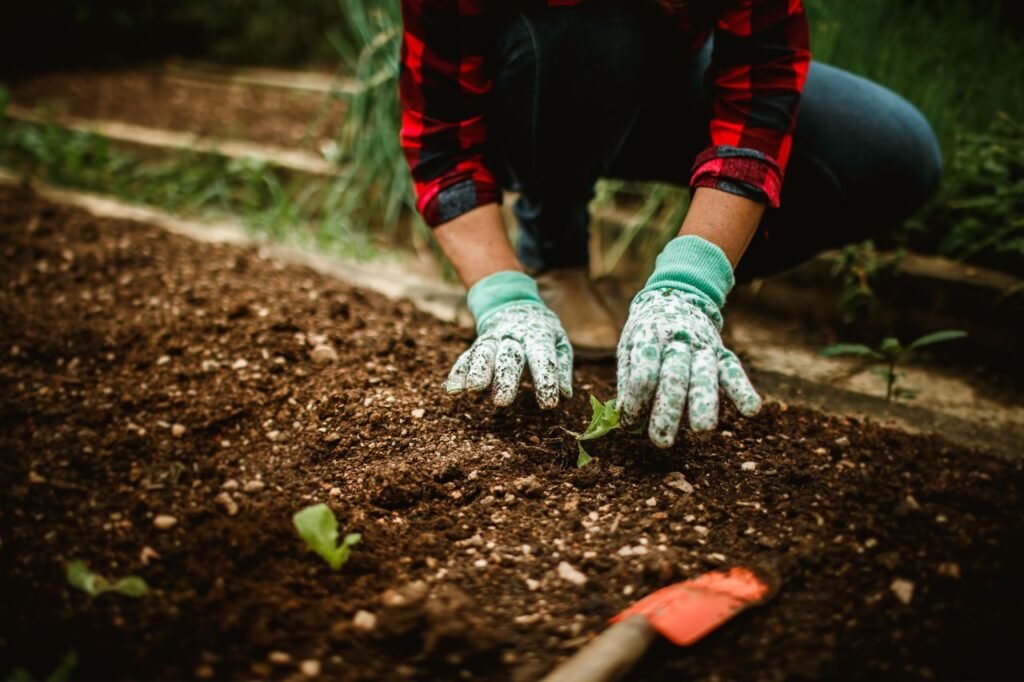
Healthy plants begin with suitable soil. Soil provides physical support, water, air and essential nutrients, but different plants require different growing conditions. Good garden soil should normally retain adequate moisture while allowing excess water to drain. Overly compacted soil can restrict root growth and reduce oxygen availability. Adding well-decomposed organic matter may improve soil structure, microbial activity and water-holding capacity. For container plants, use a properly prepared potting mixture rather than dense field soil alone. Depending on the plant, the mixture may contain compost, cocopeat and suitable aeration or drainage materials. Succulents require faster drainage, whereas many flowering and foliage plants prefer a mixture with balanced moisture retention. Soil pH affects nutrient availability. If plants display poor growth or persistent nutrient-deficiency symptoms, soil testing can help identify the underlying problem. Fertiliser should be applied according to plant requirements rather than simply increasing the quantity. Selecting the right soil mixture promotes stronger roots, healthier foliage, improved flowering and better resistance to environmental stress.

How to Choose the Right Soil for Healthy Plants Read More »
simple gardening tips for beginners

Simple Gardening Tips for Beginners

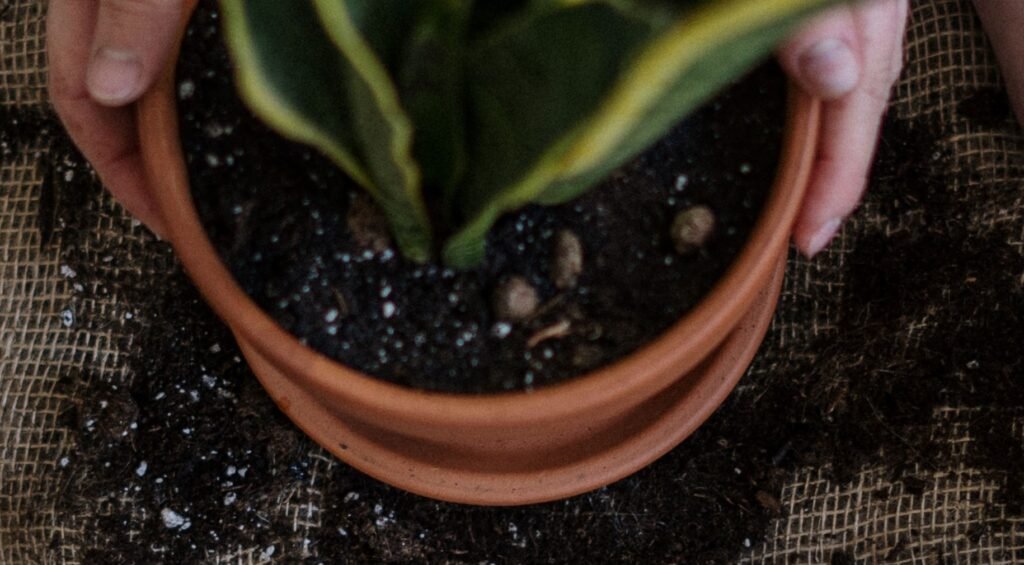
Gardening becomes easier when you begin with a few suitable plants and understand their basic needs. Start by observing how much sunlight your balcony, terrace or garden receives during the day. Choose plants suited to the local climate and available light. Sun-loving vegetables and flowering plants require brighter locations, while some foliage plants perform better in partial shade. Use containers with drainage holes to prevent waterlogging and root damage. Check the soil before watering. Water thoroughly when required, but avoid following a fixed daily schedule without considering the weather and plant type. Early morning is generally a convenient time for watering. Use good-quality soil or potting mixture and add well-decomposed organic matter when appropriate. Remove dry leaves, prune damaged growth and inspect plants regularly for pests or disease. Early identification makes problems easier to manage. Beginners should start with manageable varieties such as herbs, seasonal flowers or hardy foliage plants. Maintaining a simple gardening calendar can help track watering, feeding, pruning and repotting activities.

Simple Gardening Tips for Beginners Read More »

Scroll to Top